Your Recommended Mover is:

Voted #1 Moving Labor Help in Lansing
THANK YOU!
For a more comprehensive moving quote please fill out the form below, and someone from
Mr. Big Stuff Labor and Moving will contact you.
Moving Cost Calculator
Check out our Learning Center
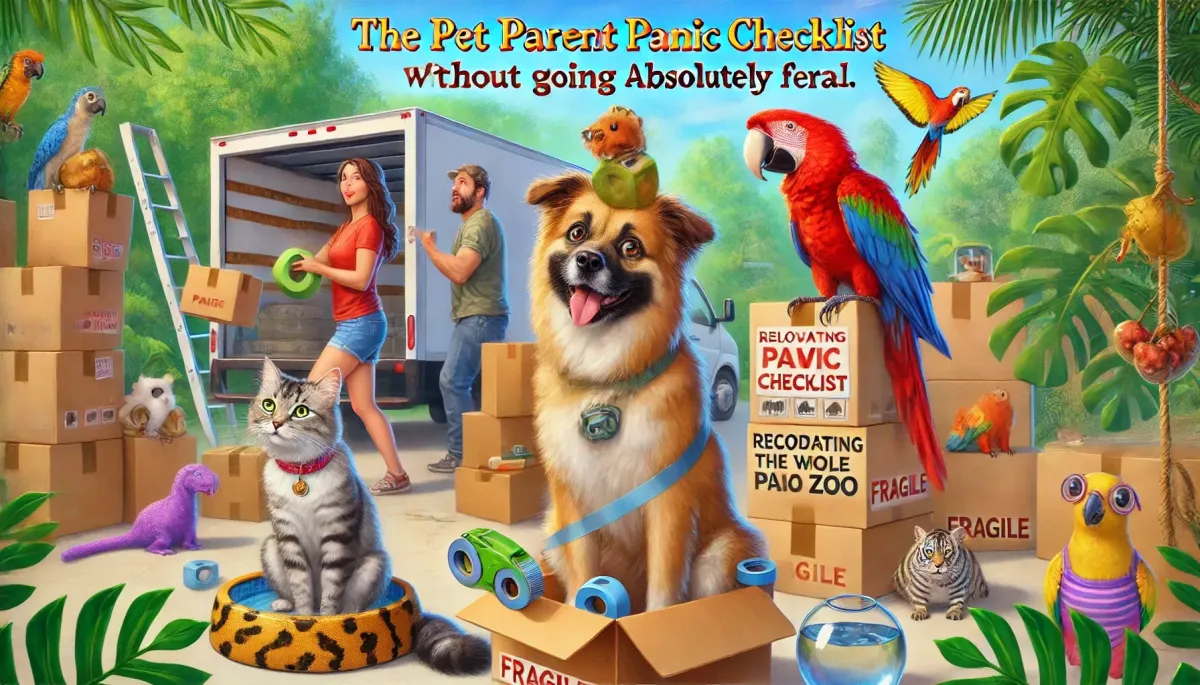
Moving With Pets
The "Pet Parent Panic" Checklist: Relocating The Whole Zoo Without Going Absolutely Feral

Moving With Pets
Moving with pets can feel like herding cats – literally and figuratively.
If you're facing the challenge of relocating your furry, feathered, or scaly family members, you're probably swimming in worry right now.
The "Pet Parent Panic" Checklist is here to save your sanity and your pet's happiness during this big change.
Moving homes is stressful enough for humans who understand what's happening, but for our animal companions, it can feel like their whole world is being flipped upside down without warning.
As a pet parent about to relocate, you're not just moving furniture and boxes – you're moving beings who depend on you completely for their sense of safety and security.
That's a big responsibility!
But don't worry.
With proper planning, the right help (like the pet-friendly pros at Mr. BigStuff Labor and Moving), and this comprehensive guide, you'll be able to relocate your whole zoo without going absolutely feral yourself.
Your Pet Will Judge You For How You Handle This Move (8 Weeks Before Moving Day)
Let's face it – your pets are watching you.
They know something's up when boxes start appearing and their favorite napping spots disappear.
Start your prep work early to keep everyone's stress levels down.
1. Find a pet-friendly moving company
Not all movers understand the special needs of households with pets. Mr. BigStuff Labor and Moving has experience helping families relocate with everything from dogs and cats to reptiles and birds. Their team knows how to create a moving environment that minimizes pet stress and maximizes safety. With 88+ 5-star reviews on Google, Thumbtack, and Moving Helper, they've proven their pet-moving expertise time and again. Call (517) 948-0894 to discuss your pet moving needs.
2. Schedule a vet visit
Book an appointment with your veterinarian to get health certificates if you're moving across state lines. Refill any medications your pet will need during the transition. Ask about anxiety solutions for moving day. Update microchip information with your new address. Discuss any concerns about how the move might affect your specific pet.
3. Research pet regulations at your new location
Different states, cities, and even neighborhoods have different rules about pets. Check for breed restrictions. Look into licensing requirements. Learn about leash laws. Find out about pet limits per household. Know the required vaccinations.
4. Create a pet-specific moving folder
Make a digital or physical folder to keep all pet-related moving documents in one place. Include vet records. Keep medication information handy. Store photos in case your pet gets lost. Have microchip details accessible. Keep pet insurance paperwork together. Research new vet options in your destination area.
5. Make travel arrangements for your pets
Depending on how far you're moving, you'll need different transportation strategies. For local moves, plan to transport pets in your personal vehicle. For long-distance moves, research pet-friendly hotels along your route. For very long moves, consider professional pet transport services if flying.
Don't Screw Up Your Pet's Life With A Crappy Move (6 Weeks Before)
How do I keep my pet from being traumatized during a move?
This question keeps many pet parents up at night.
The truth is, change is hard for animals, but with preparation, you can make it much easier on them.
6. Start getting your pet used to their carrier or crate
If your pet will be in a carrier during the move, now's the time to make it a positive space. Leave it open in your home with comfy bedding inside. Place treats and toys inside. Feed them near or in the carrier. Gradually work up to closing the door for short periods.
7. Begin collecting supplies for moving day
Your pet moving kit should include enough food for several days (don't risk running out). Get familiar bedding and toys ready. Pack poop bags or litter. Bring cleaning supplies for accidents. Have calming aids recommended by your vet. Don't forget water and food bowls. Remember leashes and harnesses. Pack all medications.
8. Update ID tags
Order new ID tags with your new address. Make sure your current phone number is on them. Include any medical needs your pet has.
9. Plan your pet's moving day safe space
Will my pet get lost during the moving process? This fear is completely valid, and planning ahead is key to preventing it.
Decide where your pet will stay during the chaos of loading boxes. Consider a quiet room in your current home with the door closed. Think about a trusted friend or family member's home. Look into a boarding facility or pet daycare. Plan for a separate room at your new home during unloading.
10. Begin desensitizing your pet to moving sounds
Moving is noisy! Help your pet adjust gradually. Play recordings of tape being ripped. Let them hear the sounds of boxes being moved. Expose them to the noise of furniture sliding. Introduce them to the sound of movers talking and working.
Moving With Pets: Because Your Emotional Baggage Isn't Enough (4 Weeks Before)
Will my pet adjust to the new home or miss our old place?
Pets are creatures of habit, and change can be tough, but with the right approach, they can adjust wonderfully.
11. Start packing gradually
Don't wait until the last minute to pack everything. This sudden change is jarring for pets. Pack non-essential items first. Leave your pet's favorite items unpacked until moving day. Keep their routine as normal as possible amid the changes.
12. Visit your new home with your pet if possible
If you're moving locally, take your pet to visit the new place before the big move. Let them explore and sniff around. Bring some of their toys or bedding to leave their scent. Help them associate the new place with positive experiences.
13. Research pet-friendly activities in your new area
Learn about nearby dog parks. Find walking trails that allow pets. Locate emergency vet services. Identify pet stores for supplies. Look for pet-friendly restaurants or cafes if you enjoy dining out with your furry friend.
14. Create a consistent routine
Establish a feeding and walking schedule that can remain the same before, during, and after the move. Practice this routine now so your pet gets used to it. Consistency provides security during times of change.
15. Consider temporary ID methods
In addition to regular tags, think about temporary options for moving day. Write your phone number on a bright bandana. Use temporary ID tags with both addresses. Some pet parents even write contact info directly on collars with permanent marker for moving day.
Fur Will Fly: The Uncensored Truth About Moving With Pets (2 Weeks Before)
Is it cruel to relocate pets, especially older ones?
This is a common worry, but let's be honest – most pets can handle a move just fine with proper support. What's cruel is not preparing them properly.
16. Confirm pet-friendly accommodations
Double-check that your new home is ready for pets. Ensure fences are secure if you have a yard. Check for potential escape routes or hazards. Confirm pet deposits or fees are paid if you're renting. Get written confirmation that your pets are approved if there was any question.
17. Get your pet a checkup
Schedule one final vet visit to ensure your pet is healthy for travel. Get copies of all medical records. Ask for a supply of any regular medications. Discuss travel anxiety with your vet if your pet has shown signs of stress.
18. Create a pet first aid kit
Assemble basic pet first aid supplies for the journey. Include any specific items your vet recommends. Pack motion sickness remedies if your pet gets car sick. Have cleaning supplies ready for accidents.
19. Plan your pet's journey carefully
Map out your travel route with pet needs in mind. Schedule breaks every 2-3 hours for dogs to stretch and relieve themselves. Plan where you'll stop for longer breaks. Know where emergency vets are along your route.
20. Arrange for special needs
If your pet has special requirements, plan accordingly. For elderly pets, bring extra bedding for comfort. For anxious pets, bring their favorite toys and comfort items. For pets on medication, keep a detailed schedule for doses.
Moving Your Furry Friends Without Losing Your Damn Mind (1 Week Before)
How do I calm my extremely anxious pet during a long-distance move?
This question plagues many pet parents.
The key is preparation and creating a sense of security.
21. Keep your pet's routine as normal as possible
Maintain regular feeding times. Don't skip walks or playtime. Keep bedtime consistent. Try to act calm yourself, as pets pick up on your anxiety.
22. Pack a separate overnight bag for your pet
This should include everything they'll need for the first 24 hours. Pack enough food for several meals. Include comfort items like a favorite toy or blanket. Have medications easily accessible. Include waste supplies like poop bags or a small container of litter.
23. Prepare your vehicle for pet transport
Clean your car thoroughly. Set up a secure travel crate or pet seatbelt. Place familiar bedding in their travel space. Test any barriers or safety equipment before the big day.
24. Take recent photos of your pet
Update your pet photo collection in case they get lost. Take clear photos showing any distinctive markings. Include photos from different angles. Have these readily available on your phone.
25. Minimize other changes
Now is not the time to change your pet's food. Don't introduce new pets or family members if possible. Avoid starting new training routines. Keep everything as familiar as possible amid the moving chaos.
When Pets Pack Their Sh*t: A No-BS Guide To Animal Relocation (Moving Day)
Will my pet hate me after putting them through a stressful move?
Rest assured, with proper care, your pet will adjust and won't hold a grudge. But moving day itself needs special attention.
26. Create a pet-free zone with movers
Keep your pet completely separated from the moving activities. Set up a quiet room with their essentials. Put a sign on the door warning people not to open it. Check on your pet regularly but keep the door closed.
27. Exercise your pet before the chaos begins
Take dogs for a long walk in the morning. Give cats extra playtime to tire them out. Tired pets are generally calmer pets.
28. Follow your vet's recommendations for calming aids
If your vet prescribed sedatives, follow directions exactly. Use calming pheromone products as directed. Try a ThunderShirt or other pressure wrap if recommended. Play calming music designed for pets in their safe room.
29. Transport your pet in your own vehicle if possible
Keep your pet with you rather than in the moving truck. Secure them properly with a harness or in a carrier. Talk to them reassuringly during the journey. Take breaks as needed for comfort.
30. Keep essential pet supplies easily accessible
Don't pack your pet's food, water bowls, or medications in boxes that will be hard to find. Keep leashes handy. Have cleaning supplies available for accidents.
Move Your Ass Without Traumatizing Theirs (Arrival Day)
How do I help my pet cope with depression after moving?
Creating a familiar environment right away is key to preventing post-move blues.
31. Set up a safe room at your new place first
Before bringing your pet in, prepare one room with their familiar items. Put down their beds, toys, and food/water dishes. Set up their litter box if they use one. Make this room a calm oasis amid the unpacking chaos.
32. Pet-proof the new space before letting them explore
Check for escape routes like loose screens or fence gaps. Look for exposed wires or small spaces where pets could get stuck. Remove any potentially toxic plants or substances. Ensure windows and doors close securely.
33. Introduce your pet to the new home gradually
Start by confining them to their safe room. Gradually allow them to explore one additional room at a time. Keep them on a leash for initial explorations if they're prone to bolting. Let them set the pace for getting comfortable.
34. Re-establish routines immediately
Feed them at the same times as before. Walk dogs on a similar schedule. Play with your cats at their usual playtimes. The sooner you establish normalcy, the faster they'll adjust.
35. Use familiar scents to make the new place feel like home
Bring bedding and toys that smell like your old home. Don't wash all their items at once – the familiar smell provides comfort. Consider using the same cleaning products you used in your previous home.
Relocating The Whole Zoo Without Going Absolutely Feral (First Week)

What if my pet refuses to settle in our new home?
Some adjustment issues are normal, but persistence and patience usually pay off.
36. Watch for signs of stress or anxiety
Look for changes in appetite or elimination habits. Notice if they're hiding more than usual. Pay attention to excessive vocalization. Monitor changes in sleep patterns.
37. Create positive associations with new spaces
Feed treats in different rooms of the new house. Play favorite games throughout the home. Offer new toys as they explore new areas. Give lots of praise for calm behavior in new spaces.
38. Maintain consistent rules and boundaries
Don't suddenly allow pets on furniture if they weren't allowed before. Keep the same expectations for behavior. Stick to training protocols you've already established. Consistency helps pets feel secure.
39. Give extra attention and reassurance
Spend more one-on-one time with your pet than usual. Offer extra cuddles if they're the cuddly type. Talk to them in soothing tones. Let them know they still have your full attention and love.
40. Update your pet's microchip information
Make sure your new address is registered with the microchip company. Update phone numbers if they've changed. Add emergency contact information. Verify that all information is current.
Stop Freaking Out Your Pets With Your Terrible Moving Habits (First Month)
How can I tell if my pet is too stressed during the moving process?
Pay attention to both subtle and obvious signs of distress, and take action when needed.
41. Explore your new neighborhood together
Take dogs on walks to learn the new area. Let them sniff and explore at their pace. Identify regular walking routes. Find favorite new potty spots.
42. Establish a relationship with a new veterinarian
Schedule a get-to-know-you visit even if your pet is healthy. Bring your pet's medical records. Discuss any moving-related behavioral changes. Get recommendations for local pet services like groomers or boarding.
43. Look for signs that your pet is adjusting well
Watch for the return of normal play behaviors. Notice when they seem comfortable enough to nap in new spots. Observe them seeking out new favorite places in the home. Celebrate when appetite returns to normal.
44. Address any ongoing anxiety
Consider consulting with a pet behaviorist if adjustment issues persist. Try natural calming supplements recommended by your vet. Create more environmental enrichment. Ensure they're getting enough physical exercise and mental stimulation.
45. Connect with other pet owners in your new community
Find local pet owner groups online or in person. Visit dog parks to meet other dog owners. Ask neighbors with pets for recommendations. Building a pet community helps both you and your pet adjust.
Hell On Paws: Surviving A Move Without Your Pet Disowning You (Long-term Success)
Should I rehome my pet instead of putting them through a move?
Most pets adapt well to moves with proper support, and rehoming should be a last resort only considered in extreme circumstances.
46. Update all pet records with your new information
Change your address with your pet insurance company. Update records with any pet service apps you use. Make sure doggy daycares or groomers have your new contact info. Register with local pet licensing authorities if required.
47. Pet-proof your yard
Check fences regularly for gaps or weak spots. Remove toxic plants from areas pets can access. Secure pools or water features if you have them. Create shady spots for hot days.
48. Find new pet service providers
Locate a reliable pet sitter or dog walker. Research boarding facilities for future needs. Find a groomer if your pet needs professional grooming. Identify pet-friendly businesses in your area.
49. Create new enrichment opportunities
Explore dog parks or walking trails in your new area. Find pet-friendly events to attend together. Create new games that incorporate features of your new home. Help your pet make new animal friends if they're social.
50. Celebrate your successful move!
Recognize that you've successfully moved your pet to a new home. Take pride in helping them adjust. Give yourself credit for managing this challenging transition. Enjoy making new memories together in your new place.
Moving With Pet Birds: Special Considerations
Moving with pet birds requires extra care due to their sensitive respiratory systems and tendency to stress easily.
51. Prepare a travel cage
Use a small, secure travel cage even if it's smaller than their normal habitat. Cover the cage partially during the move to reduce visual stress. Secure perches that won't swing or fall during transport. Attach food and water containers that won't spill.
52. Control temperature carefully
Keep birds away from drafts during the move. Never leave them in a parked car. Maintain comfortable temperature throughout the journey. Be aware that birds can be sensitive to temperature changes.
53. Minimize noise and stress
Keep the radio volume low while traveling. Speak softly around the bird during the moving process. Move the cage as smoothly as possible without jerking motions. Consider covering the cage completely during the most chaotic parts of the move.
54. Set up their habitat first upon arrival
Make setting up your bird's permanent cage a priority at the new home. Position the cage in a quiet area away from drafts. Recreate their previous setup as closely as possible. Introduce them to the room gradually before exposing them to the whole house.
Moving With Fish: Aquatic Adventures
Moving an aquarium requires careful planning to keep your underwater friends safe. How do I move with a pet that has special needs like fish? Very carefully!
55. Prepare transport containers
For short moves, use sturdy bags like those from pet stores. For longer journeys, invest in proper transport containers with lids. Put only a few fish in each container. Label each container with contents.
56. Save your tank water
Save as much of the original tank water as possible for the new setup. Transport it in clean, covered buckets or containers. This helps preserve beneficial bacteria. Keeping their original water reduces shock.
57. Move the empty tank separately
Drain and dismantle the tank completely. Pack substrate in bags with some tank water. Carefully wrap and protect filter media to preserve bacteria. Transport live plants in bags with water like the fish.
58. Set up the tank immediately upon arrival
Make the aquarium one of the first things you set up. Use the original water, substrate, and filter media. Let the system run for a while before adding fish back in. Test water parameters before reintroducing fish.
Moving With Reptiles: Cold-Blooded Relocation
Reptiles have special temperature needs that make moving them a unique challenge.
Will moving traumatize my reptile?
With proper temperature management, most adapt well.
59. Prepare secure transport containers
Use sturdy containers that retain heat well. Add air holes for ventilation. Include appropriate substrate for the species. Make sure the container can't be opened accidentally during transport.
60. Manage temperature carefully
Use heat packs for long journeys in cool weather. Monitor temperature throughout the trip. Never leave reptile containers in very hot or cold vehicles. Keep them away from direct air conditioning vents.
61. Minimize handling and stress
Handle your reptile as little as possible during the move. Keep their container in a quiet, dark place when not actually in transit. Move their habitat items separately. Recreate their proper habitat temperature gradient immediately upon arrival.
62. Set up their habitat promptly
Make setting up heat lamps and temperature controls a priority. Recreate hiding spots and enrichment from their previous setup. Check that temperature gradients are correct before releasing your reptile. Monitor closely for the first few days in the new environment.
Moving With Small Mammals: Hamsters, Guinea Pigs, and Friends
Small pets may be tiny, but they need special consideration during moves.
What if my small pet gets too stressed during moving?
With proper preparation, most small mammals handle moves well.
63. Use appropriate travel carriers
Transport small pets in their regular cages if possible. If using temporary carriers, ensure they're escape-proof. Add familiar bedding and hideaways. Secure water bottles to prevent leaking or use water-rich vegetables for hydration.
64. Control temperature and minimize motion
Keep carriers out of direct sunlight during transport. Place carriers on flat surfaces to minimize sliding. Drive carefully to avoid sudden movements. Keep the vehicle at a comfortable temperature.
65. Maintain feeding schedules
Feed on their regular schedule even during moving day. Provide familiar foods to reduce stress. Include extra hay or comfort foods if appropriate for your pet. Monitor their food intake during and after the move.
66. Set up their habitat quickly
Make their habitat one of the first things you set up at the new place. Use familiar bedding, toys, and hideaways. Place the cage in a quiet area away from household traffic. Give them time to adjust before handling them extensively.
Special Considerations for Senior Pets
Is it cruel to relocate senior pets?
With extra care and attention, most older pets can manage a move just fine, though they may need more support.
67. Consult with your vet about special accommodations
Discuss any mobility issues that might be worsened by travel. Ask about pain management during the move if needed. Get advice about helping with joint stiffness after long car rides. Review any medications that might help with move-related stress.
68. Create extra comfortable travel arrangements
Provide orthopedic bedding for the journey. Make sure they have easy access to water. Plan for more frequent breaks during travel. Keep temperature moderate for senior pet comfort.
69. Help them navigate the new space
Consider pet steps or ramps if the new home has different levels. Create easy access to their essentials without climbing. Put down non-slip mats on slippery floors. Block off any dangerous areas they might have trouble navigating.
70. Be extra patient with adjustment
Understand that older pets may take longer to adapt. Give them more time to learn the layout of the new home. Don't rush them into exploring. Provide extra reassurance and attention during the transition.
Moving With Anxious Pets: Keeping Calm and Carrying On
How do I calm my extremely anxious pet during a long-distance move?
This requires extra planning and possibly professional help.
71. Talk to your vet about anxiety management options
Discuss whether anti-anxiety medications might be appropriate. Ask about natural calming supplements. Learn about ThunderShirts or other pressure wraps. Get recommendations for calming pheromone products.
72. Practice with shorter car trips before the move
Take your pet on progressively longer drives to build tolerance. Create positive associations with the car through treats and praise. Use their travel carrier on these practice trips. Note what seems to help reduce their anxiety.
73. Create a multi-sensory calming environment
Play specially designed pet calming music during travel. Use calming essential oils approved for pets on their bedding. Bring items that smell strongly of home and familiar people. Consider weighted blankets designed for pets.
74. Recognize signs of severe anxiety
Know the difference between normal stress and dangerous panic. Watch for excessive panting, drooling, or shaking. Be concerned if they refuse water for extended periods. Contact a vet if anxiety seems severe or dangerous.
75. Give anxious pets extra recovery time
Understand that highly anxious pets need more adjustment time. Create an especially quiet and secure space at the new home. Limit visitors during the first weeks. Be patient with behavioral changes as they adapt.
Moving With Multiple Pets: The Family Menagerie
How do I safely move with multiple pets who don't get along?
Careful separation and management are key.
76. Plan separate travel arrangements if needed
Consider whether pets should travel in separate vehicles. If traveling together, use secure barriers between animals. Never put animals who don't get along in the same carrier. Have someone assigned to monitor pet interactions during travel.
77. Create multiple safe spaces in the new home
Set up separate areas for each pet initially. Use baby gates or closed doors to keep them separated as needed. Ensure each pet has their own food, water, and comfort items. Gradually reintroduce them in the new environment.
78. Pay attention to the resident hierarchy
Understand that moves can disrupt established pet relationships. Watch for changes in how your pets interact with each other. Prevent resource guarding by providing plenty of everything. Give each pet individual attention.
79. Introduce pets to shared spaces carefully
Allow the most confident pet to explore first, then the others. Supervise all interactions in new spaces. Create multiple exit routes so no pet feels cornered. Reward calm behavior when they're together in new areas.
80. Maintain established feeding routines
Feed pets separately if that was your practice before. Keep feeding times consistent. Don't change foods during the move period. Monitor to ensure all pets are eating properly.
International Pet Moving: Crossing Borders With Your Buddies
Moving internationally with pets adds layers of complexity that require careful planning.
81. Research country-specific requirements early
Learn about quarantine requirements for your destination. Understand required vaccinations and timelines. Know what documentation you'll need. Find out about breed restrictions that might apply.
82. Find an experienced international pet relocator
Consider hiring professionals who specialize in international pet moves. Get quotes from several companies. Check reviews and ask for references. Understand exactly what services they provide.
83. Prepare for quarantine if required
Learn about quarantine facilities at your destination. Pack comfort items that can go with your pet during quarantine. Understand visitation policies. Know how you'll get your pet after quarantine ends.
84. Get an appropriate travel crate
Make sure your crate meets airline requirements. Allow your pet to get comfortable with it weeks before travel. Label it clearly with contact information. Attach food and water dishes properly.
85. Arrange for pet-friendly arrival accommodations
Find temporary housing that accepts pets if your permanent home isn't ready. Research emergency vet options in your new country. Learn about local pet laws and customs. Identify pet supply stores near your new home.
The First Three Months: Long-term Adjustment
What if my pet refuses to settle in our new home?
Long-term adjustment issues sometimes require professional help.
86. Watch for prolonged adjustment problems
Be concerned if eating problems persist beyond a few days. Pay attention if litter box or potty issues don't resolve. Note if hiding or aggressive behavior continues. Watch for destructive behaviors that don't improve.
87. Consider professional help for ongoing issues
Consult your veterinarian about behavioral changes. Consider working with a certified animal behaviorist. Look into training classes in your new area. Ask about behavior modification programs.
88. Create positive routines in the new environment
Establish regular exercise schedules appropriate for your pet. Find new favorite games to play together. Set up comfortable relaxation spots throughout the house. Create enrichment activities specific to your new home's features.
89. Build new pet friendships if appropriate
Arrange playdates with other compatible pets. Visit dog parks if your dog enjoys canine company. Consider adopting a companion if your pet seems lonely (but wait until they're well-adjusted). Help them socialize in their new community.
90. Celebrate progress and successes
Recognize when your pet shows signs of feeling at home. Take photos of happy moments in the new place. Reward relaxed, confident behavior. Acknowledge how far you've both come in the adjustment process.
When To Call In The Professionals
91. Know when to contact your vet
Call if your pet refuses food or water for more than 24 hours. Seek help for vomiting or diarrhea that doesn't resolve quickly. Get advice about significant behavioral changes. Consult about excessive vocalization that continues after the first few days.
92. Consider a pet behaviorist when needed
Look for one if your pet shows signs of severe anxiety that doesn't improve. Seek help if aggressive behaviors emerge or worsen. Consult if inappropriate elimination continues beyond the adjustment period. Get guidance if your pet seems depressed for an extended time.
93. Ask for help from professional pet movers
Consider professional help for very long-distance moves. Look into their services for pets with special health needs. Use them if you're moving internationally. Ask for assistance if you're moving multiple pets with complex needs.
94. Know when to ask family or friends for help
Request assistance if you feel overwhelmed managing pets and moving tasks. Ask for help monitoring pets on moving day. See if someone can transport pets separately from moving trucks. Consider temporary pet-sitting during the most chaotic moving periods.
95. Trust the professionals at Mr. BigStuff Labor and Moving
Let their experienced team help manage your move while you focus on your pets. Use their expertise to create a smoother moving day environment. Trust them to handle your belongings carefully while you manage pet needs. Call (517) 948-0894 to discuss how they can make your pet move easier.
The Final Takeaway: You've Got This!
Moving with pets doesn't have to be a nightmare.
With proper planning, patience, and the right support, you and your furry, feathered, or scaly family members can make a successful transition to your new home.
Remember these key points:
96. Start preparing early
Begin adjusting your pets to travel and change weeks before the move. Get all veterinary requirements handled well in advance. Start collecting supplies early so you're not rushed. Give yourself and your pets plenty of time to adjust to the idea.
97. Create familiarity wherever you go
Bring items that smell like home to the new place. Maintain consistent routines throughout the process. Keep your pet's favorite toys and comfort items accessible. Recreate favorite resting spots in the new home.
98. Be patient and understanding
Expect some behavioral changes during the transition. Understand that pets process change differently than humans. Give them time to adjust at their own pace. Don't punish stress-related behaviors.
99. Make your move easier with professional help
Let the experts at Mr. BigStuff Labor and Moving handle the heavy lifting while you focus on your pets' needs. Their experienced team understands the unique challenges of moving with pets. They can create a smoother, faster moving process that minimizes stress for everyone – humans and animals alike.
100. Trust that things will get better
Remember that most pets adjust well to new homes eventually. Look for small signs of progress each day. Celebrate when your pet starts showing normal behaviors again. Know that your patience and care will help them thrive in their new environment.
Ready for a Stress-Free Move with Your Pets?
Don't let moving day turn into animal house chaos.
Mr. BigStuff Labor and Moving understands the special needs of households with pets. Their efficient, careful moving services give you more time and energy to focus on your furry family members during this big transition.
With 88+ 5-star reviews on Google, Thumbtack, and Moving Helper, they've proven their ability to create smooth moving experiences for families like yours.
Whether you're moving across town or across the country, their team can help make relocating with pets less stressful for everyone.
Call Mr. BigStuff Labor and Moving today at (517) 948-0894 to discuss your upcoming move and learn how they can help you relocate your whole zoo without going absolutely feral. Your pets will thank you!
Visit https://justthebigstuff.com to learn more about their full-service moving options that give you more time to focus on what really matters – keeping your pets happy and safe during your move.

Are you licensed and insured?
Yes we are. We have workman's comp as well as $1,000,000 in liability insurance, so you can rest assured that we have you fully covered.
How much do you charge?
Great question. Our rates are determined by a number of factors like the size of your move, what type of move you need, how far are you moving, and so on. Our rates start as low as $145/hr. We have a 2hr minimum on all moves, and depending on your area there may a one-time trip charge.
What other services do you offer?
Thanks for asking. We offer many other services that either enhance or contribute to your life's well being like: TV mounting, Pet waste removal (poopin scoopin), Furniture delivery and assembly, Carpet cleaning, Mattress and Couch cleaning, Junk removal, Interior painting, House cleaning, etc.



About Us
We connect you with professional movers to make your relocation stress-free and affordable.
Contact us
Email: [email protected]
Phone: (517) 948-0894
Address
908A W Jefferson St,
Grand Ledge, MI
©2025 Mr. BigStuff Labor ad Moving. All rights reserved.